


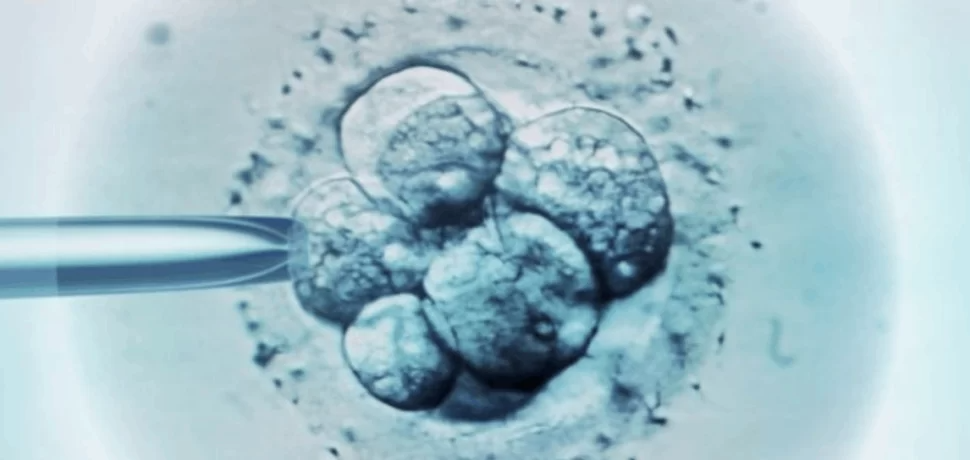
Advanced Frozen Embryo Transfer Treatment by Dr. Sapna Basandani
Increase Your Chances of Pregnancy with Frozen Embryo Transfer (FET) at Anmol Fertility Center
Frozen Embryo Transfer (FET) is an advanced fertility treatment in which a previously frozen embryo is thawed and transferred into the uterus during a carefully planned cycle. FET has become an integral part of modern IVF treatment, offering flexibility, improved treatment planning, and excellent pregnancy outcomes for many couples.
At Anmol Fertility Center, Jaipur, Dr. Sapna Basandani provides personalized Frozen Embryo Transfer (FET) treatment using advanced embryo freezing (vitrification) techniques and evidence-based fertility care to help couples achieve their dream of parenthood.
What is Frozen Embryo Transfer (FET)?
Frozen Embryo Transfer (FET) is a procedure in which embryos that were previously frozen during an IVF or ICSI cycle are thawed and transferred into the uterus at the most appropriate time. The embryos are preserved using vitrification, an advanced freezing technique that helps maintain embryo quality during storage.
FET allows patients to use embryos from a previous IVF cycle without undergoing another egg retrieval procedure.
Who Can Benefit from Frozen Embryo Transfer?
FET may be recommended for:
Benefits of Frozen Embryo Transfer
No Repeat Egg Retrieval
Previously frozen embryos can be used without another ovarian stimulation or egg retrieval procedure.
Flexible Treatment Planning
Embryo transfer can be scheduled when the uterine lining is optimally prepared.
Supports Personalized IVF Care
FET allows fertility specialists to tailor treatment according to each patient’s reproductive health.
Effective Use of Frozen Embryos
High-quality embryos preserved during a previous IVF cycle can be used in future treatment cycles.
Reduced Physical Stress
FET cycles are generally less physically demanding than a complete IVF stimulation cycle.
How Does the FET Process Work?
Step 1: Initial Consultation
Dr. Sapna Basandani reviews your fertility history, previous IVF cycle, and embryo quality to develop a personalized FET treatment plan.
Step 2: Endometrial Preparation
The uterine lining is prepared either through a natural menstrual cycle or with hormone medications to create the most suitable environment for implantation.
Step 3: Embryo Thawing
The frozen embryo is carefully thawed in the embryology laboratory using specialized protocols.
Step 4: Embryo Transfer
A healthy embryo is gently transferred into the uterus using a thin catheter. The procedure is usually quick and does not require general anesthesia.
Step 5: Pregnancy Test
A blood pregnancy test is typically performed about 10–14 days after embryo transfer to determine whether implantation has occurred.
Why is Frozen Embryo Transfer Performed?
Frozen Embryo Transfer is commonly used when:
Preparing for a Frozen Embryo Transfer
To optimize treatment, your fertility specialist may recommend:
Why Choose Dr. Sapna Basandani?
Experienced Fertility Specialist
Dr. Sapna Basandani provides individualized fertility care with treatment plans tailored to each patient’s medical history and reproductive goals.
Advanced IVF Laboratory
Our modern embryology laboratory supports embryo vitrification, thawing, blastocyst culture, and embryo transfer using advanced reproductive technology.
Comprehensive Fertility Services
Anmol Fertility Center offers:
Compassionate Patient Care
Our dedicated team supports every patient with personalized guidance, transparent communication, and compassionate care throughout the fertility journey.
Frequently Asked Questions
What is the difference between fresh embryo transfer and FET?
A fresh embryo transfer is performed during the same IVF cycle in which the embryos are created. In FET, previously frozen embryos are thawed and transferred in a later cycle.
Is the embryo transfer procedure painful?
Embryo transfer is generally a quick and minimally invasive procedure. Most women experience little or no discomfort.
How long can embryos remain frozen?
Embryos can be safely stored for many years under appropriate cryogenic conditions, subject to applicable regulations and clinic policies.
Does FET guarantee pregnancy?
No. Pregnancy depends on several factors, including embryo quality, uterine receptivity, maternal age, and overall reproductive health.
How soon can I return to normal activities?
Most women can resume normal daily activities shortly after the procedure. Your fertility specialist will provide personalized recommendations based on your treatment.
Book Your Consultation Today
If you have frozen embryos from a previous IVF cycle or are considering Frozen Embryo Transfer (FET), expert fertility care can help you take the next step toward parenthood.
Consult Dr. Sapna Basandani at Anmol Fertility Center, Jaipur, for advanced FET treatment, personalized fertility planning, and compassionate reproductive care.
Success depends on the cause of blockage, duration of obstruction, surgical expertise, and overall reproductive health. Many patients experience restored sperm flow following successful microsurgery.
The surgery is performed under anesthesia, and postoperative discomfort is generally manageable with prescribed medications.
Most patients resume routine activities within a few days, while strenuous activities should be avoided for several weeks.
Yes. The goal of the procedure is to restore natural sperm transport and improve the possibility of natural conception.