


Advanced Embryo Culture for Higher IVF Success by Dr. Sapna Basandani
Improve Your IVF Success with Blastocyst Culture in Jaipur at Anmol Fertility Center
Embryo development is one of the most critical stages of an IVF cycle. Blastocyst Culture in Jaipur is an advanced laboratory technique in which embryos are cultured for 5–6 days after fertilization until they reach the blastocyst stage. This allows fertility specialists to select embryos with the highest potential for implantation, improving the chances of a successful pregnancy in suitable patients.
At Anmol Fertility Center, Jaipur, Dr. Sapna Basandani provides advanced IVF treatments supported by modern embryology laboratory techniques, including blastocyst culture, to help couples achieve their dream of parenthood.
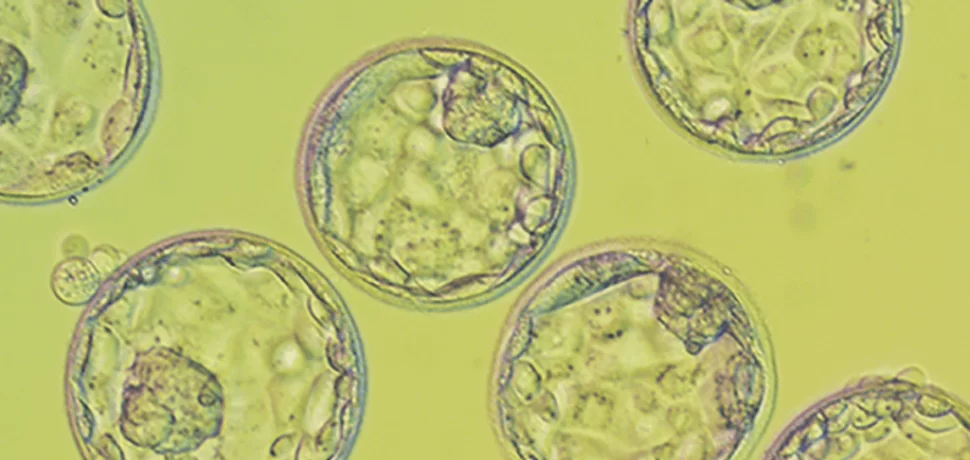
Blastocyst Culture is a specialized process in which embryos created during In Vitro Fertilization (IVF) are grown in a controlled laboratory environment for five to six days instead of transferring them earlier on Day 2 or Day 3. This approach — commonly known as day 5 embryo transfer — allows the embryo more time to develop before implantation, helping embryologists better assess growth and quality before transfer.
A blastocyst is an embryo that has developed for approximately 5–6 days after fertilization. At this stage, it contains:
Blastocysts that develop normally are generally considered to have a higher implantation potential than embryos transferred at earlier stages, although success depends on many factors.
Blastocyst Culture may be recommended for:
The suitability of blastocyst culture depends on each patient’s individual fertility profile and embryo development.
Extended embryo culture allows embryologists to identify embryos that continue developing successfully to the blastocyst stage.
Blastocyst transfer is more closely aligned with the natural timing of embryo implantation in the uterus.
The selection of a high-quality blastocyst may facilitate single embryo transfer in appropriate cases, helping reduce the chance of multiple pregnancies.
Blastocyst-stage embryos are commonly used for Preimplantation Genetic Testing (PGT) because biopsy is typically performed at this stage.
In selected patients, transferring blastocyst-stage embryos may be associated with improved implantation rates compared with earlier-stage embryo transfers.
Mature eggs are collected from the ovaries during the IVF cycle.
The eggs are fertilized with sperm using conventional IVF or ICSI (Intracytoplasmic Sperm Injection).
The embryos are cultured in specialized incubators under carefully controlled laboratory conditions.
Embryos that continue to develop normally reach the blastocyst stage by Day 5 or Day 6.
Suitable blastocysts are transferred into the uterus or frozen (vitrified) for future IVF cycles.
Compared to earlier embryo transfer, blastocyst transfer offers several potential advantages:
Your fertility specialist will determine whether blastocyst transfer is appropriate based on your individual circumstances.
Dr. Sapna Basandani is a trusted name for blastocyst culture in Jaipur, offering personalized IVF treatment plans tailored to each couple’s fertility needs.
Our modern embryology laboratory follows high-quality standards for embryo culture, blastocyst development, vitrification, and assisted reproductive procedures.
We offer a complete range of fertility services, including IVF, ICSI, embryo freezing, egg freezing, sperm freezing, PGT, donor programs, and fertility preservation.
We are committed to providing individualized care, clear communication, and emotional support throughout your fertility journey.
Day 3 embryos have undergone fewer cell divisions, whereas blastocysts have developed further over 5–6 days and provide additional information about embryo development.
No. Not all embryos continue developing to the blastocyst stage. The number of blastocysts varies depending on embryo quality and individual patient factors.
For some patients, blastocyst transfer may improve embryo selection and implantation potential. However, the most appropriate transfer stage depends on your fertility history, embryo development, and clinical circumstances.
Yes. High-quality blastocysts can be frozen using vitrification and stored for future embryo transfer cycles.