
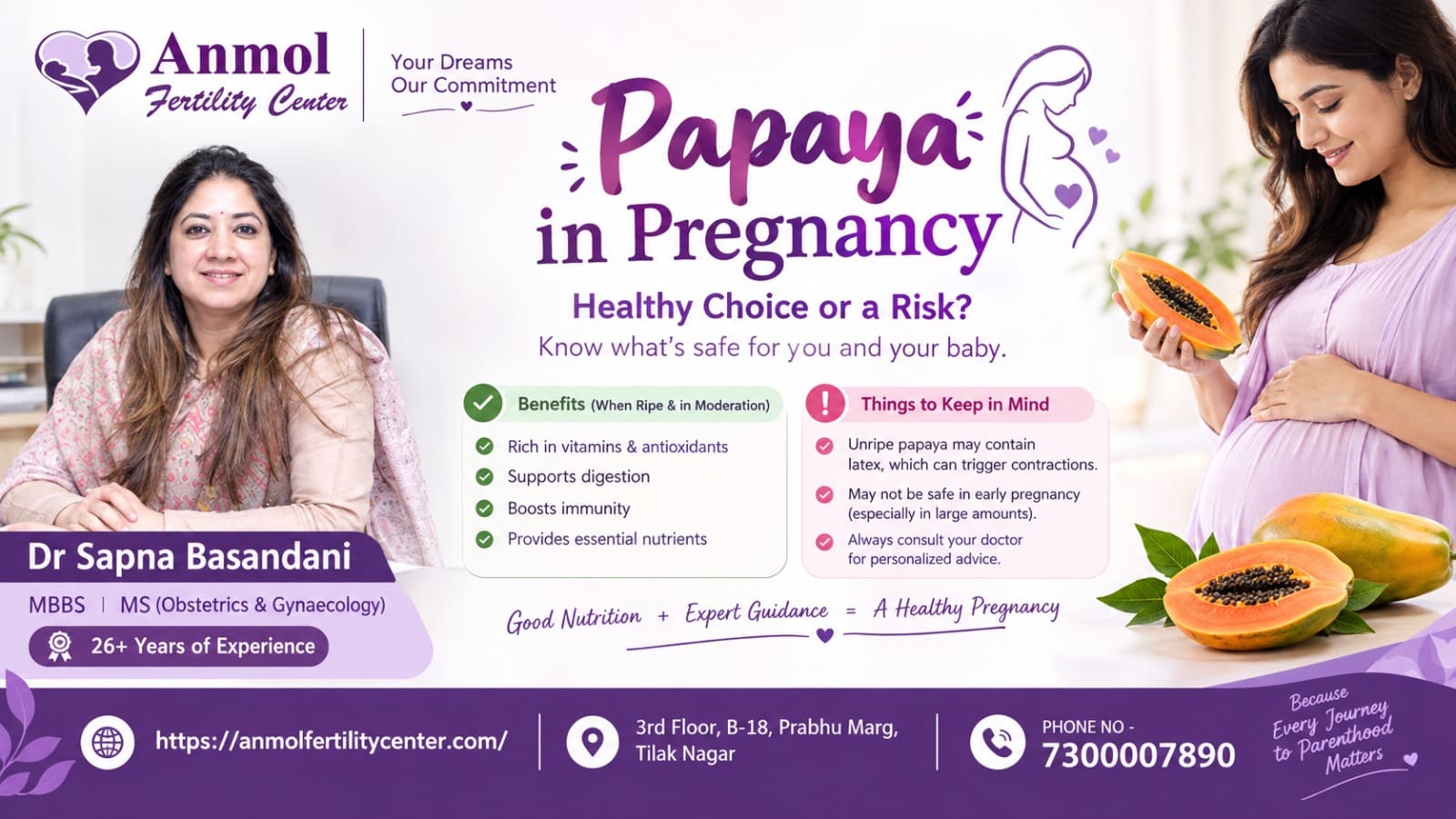
Papaya in pregnancy is safe at moderate amounts. Ripe papaya poses little to no risk to pregnant individuals. Unripe papaya is safe in the first trimester, but it can stimulate the uterus and put you at risk for contractions in the second and third trimester.
When you’re expecting, you’re constantly looking at food labels and asking family and friends, “Is it safe to eat?.” Papaya is one of those foods. One family member says it’s dangerous. Another says it’s fine. One of the main reasons for the confusion is the longstanding reputation of papaya in traditional medicine as a fruit that causes miscarriage, and this myth has passed through the generations. But is there science behind it, or has the myth simply outpaced the facts?
This article is here to explain the concerns about papaya in pregnancy, what we do and do not know about the risks, what we do know is true about ripe papaya, and why it is a healthy addition to your pregnancy diet.
What Are the Concerns About Eating Papaya During Pregnancy?
The primary concern with papaya is a chemical compound called latex. Unripe papaya and semi-ripe papaya have a sticky latex that contains papain. Papain is similar to a hormone called prostaglandin; it can also mimic oxytocin. Oxytocin is one of the hormones used to promote labor. Because of this, unripe papaya has a lot of risk associated with it, and so should be avoided.
Latex is highly concentrated in the skin and seeds of unripe papaya and decreases significantly as the fruit ripens. This explains why blanket statements like “papaya is bad for pregnancy” are false. The issue is not papaya fruit. It is the unripe fruit and the particular plant compounds present that are of concern.
Common concerns about eating unripe or partly ripe papaya in pregnancy
- Latex may stimulate contractions, especially in the first trimester.
- The high papain content may cause bloating and/or digestive discomfort.
- Papaya is part of the same family as latex based allergens. This may cause an allergic reaction for women with a latex allergy.
Blue Understanding the difference between an unripe and ripe papaya is the first step in addressing the larger issue: is papaya in pregnancy actually unsafe?
Is Papaya in Pregnancy Actually Unsafe, or Is It a Myth?
In general, fully ripe papaya in moderate amounts is safe for pregnant women to eat. The unripe and semi ripe papaya fruit contains higher latex and increases the risk of unripe papayas.
Why has this myth not been debunked? There are several reasons. Traditional views on the “unsafe” nature of papaya in pregnancy may have originated in regions that uncautiously included unripe papayas in savory dishes and salads. Unripe papayas do carry some risk and may have caused the over cautious view on papayas in general, whether ripe or unripe.
Can expecting mothers consume papaya? Papaya can be eaten as long as it is fully ripe. Fully ripe papaya has a soft, deep orange, and no green parts. If you are unsure of the ripeness of the papaya, it is better to avoid it, especially during the first trimester when the pregnancy is sensitive to the changes of the hormonal fluctuations.
How do unripe and ripe papayas differ?
| Factor | Unripe/Semi-Ripe Papaya | Fully Ripe Papaya |
| Latex content | High | Minimal |
| Papain enzyme levels | High | Low |
| Associated risk | Possible uterine contractions | Low risk in moderation |
| Recommended in pregnancy | No | Yes, in moderation |
Fully ripe papaya should be eaten if you wish to consume papaya without the risks that may be associated with unripe papaya.
What Does Science Say About Papaya and Miscarriage Risk?
Most of the concern about papaya and miscarriage has come from Animal studies and Traditional medicine literature, and has very little to do with large-scale clinical studies. Most of the studies have to do with the effects of concentrated papain and latex on uterine muscle, and the miscarriage association has come from these studies.
Extrapolating that science to a woman eating a slice of ripe papaya is not very accurate. The latex of a ripe papaya is extremely low compared to even the skin and seeds of the unripe fruit. It is because of this that many ob-gyns differentiate “papaya” from “unripe papaya.”
That said, caution is prudent. Papaya should not be consumed in abundance during pregnancy if you have a history of miscarriage, preterm labor, or if you have a high-risk pregnancy. It is advisable to discuss the matter with your doctor. When it comes to pregnancy, medical advice that is tailored to you is of higher importance than your diet.
Ripe papaya has some health benefits with pregnancy.
- Ripe papaya has a high fiber content that can help ease constipation.
- Ripe papaya has folate that helps the development of the fetus’s neural tube in the first few weeks of pregnancy.
- Ripe papaya has vitamin C that boosts the immune system and helps the body to absorb iron better.
- Because of its potassium content, papaya regulates blood pressure.
- The nutritional benefits of papaya outweigh the calories that it contains.
Choose ripe papaya over high-sugar snacks if you are craving something sweet and want a healthy snack.
Papaya During Pregnancy by Anmol Fertility Clinic
At Anmol Fertility Clinic in Jaipur, the most common questions about pregnancy center around food restrictions and what can be safely consumed. Most asked of these is papaya. According to Dr. Sapna Basandani, how ripe the papaya is what matters, not the fruit itself, when it comes to the safety of the unborn child.
Anmol advises pregnant women, especially those who conceived through fertility treatments, to not consume unripe or slightly ripe papaya in the first trimester out of an abundance of caution. Ripe, moderately consumed papaya is considered generally safe and healthy.
For women who are high risk or recovering from fertility treatments, the fertility clinic advises individualized dietary guidance, as opposed to general advice, which can be found online. This is because every pregnancy has its own unique risk profile and a fertility specialist is trained to manage the specifics of your situation.
Things to Keep in Mind While Eating Papaya in Pregnancy
Papaya should not be completely avoided during pregnancy, but it should be treated with caution. This is because of the negative effects that unripe papaya has due to its latex content and ability to induce irregular contractions of the uterus. Ripe papaya, however, has a lot of benefits. These include: digestive fiber, folate for the development of the baby, and immune system vitamin C.
If you are unsure about how ripe a papaya is for eating, don’t take the risk of eating it. Contact your OB-GYN or fertility specialist, especially if you are having a high-risk pregnancy or have previously lost a pregnancy. When in doubt, play it safe with your doctor’s advice and go for moderation.
Frequently Asked Questions
Is papaya ok for pregnancy?
Yes, but only in moderation. Fully ripe papaya can aid in digestion, support the growth of the fetus, and boost your immune system with its fiber, folate, vitamin C, and potassium.
Can you eat papaya everyday while pregnant?
You can eat ripe papaya a few times a week as part of a healthy diet. If you think you will be able to get a benefit from eating it beyond the given serving, it is not recommended to eat it every day.
Why is papaya dangerous to eat during pregnancy?
Unripe papaya has a lot of latex and the enzyme papain which can stimulate contractions and lead to labor. This is why pregnant women are told to avoid eating unripe or semi ripe papaya.
What happens if you eat unripe papaya while pregnant?
Eating a little bit of unripe papaya sometimes will not cause any serious issues, but it is best to stop eating it altogether. If after eating it you experience any unusual symptoms, cramping, or bleeding, you should call your doctor.
Are there any substitutes that are better during pregnancy?
Yes, you can eat other fruits that don’t have the ripeness concerns that papaya has. Fruits like apples, oranges, bananas, and pomegranates have similar fiber and vitamin content.