
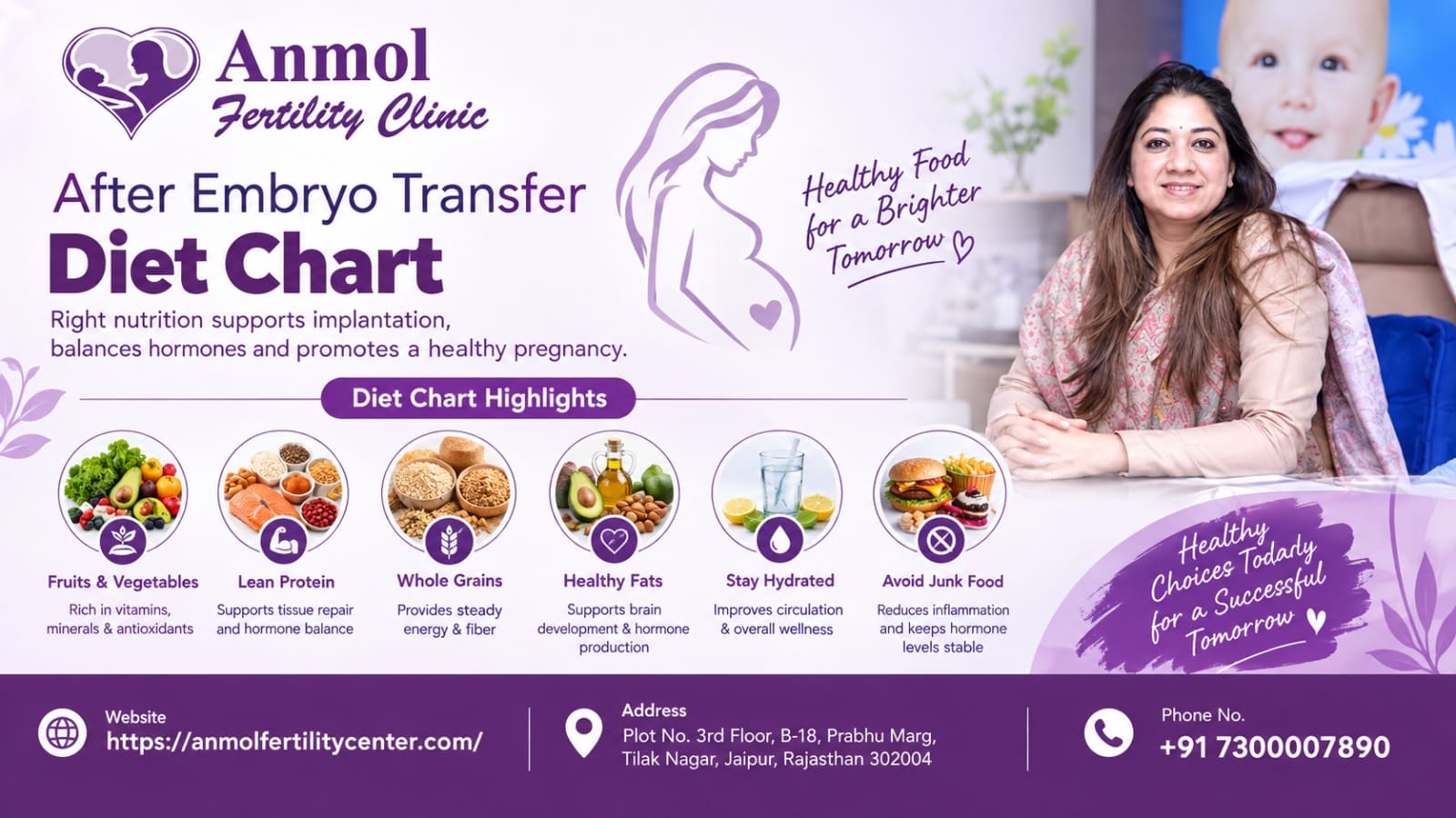
An after embryo transfer diet chart should be packed with leafy greens, lean proteins, plenty of Omega-3 fatty acids, iron, Vitamin C, Vitamin D, calcium, and magnesium to help with implantation and hormonal balance. Avoid things like alcohol, caffeine, processed foods, unpasteurized dairy and high mercury fish. A balanced IVF after embryo transfer diet chart, coupled with your fertility specialist’s guidance, should help create the best environment for the embryo to not only implant, but continue growing.
There is a lot of emotional waiting in the days following an embryo transfer. Of course stimulation and retrieval are harder, but this is the time your body needs to support the embryo so it can become a developing baby. A lot of people ignore nutrition at these times, but it can help with hormone balance, uterine lining, and reduce inflammation to help the embryo implant. This guide will help you with what to eat and what to avoid after embryo transfer and help you create a helpful diet chart.
What’s the Value and Significance of Embryo Transfer?
Embryo transfer is the final step of an IVF cycle when a fertilized embryo is transferred to the uterus via a thin catheter. The embryo is usually transferred 3 to 5 days after fertilization so it reaches the blastocyst stage.
The period after embryo transfer, commonly called the “two week wait,” is when the embryo attempts to implant in the lining of the uterus. Because the “two week wait” is a natural part of the reproductive process, there’s no real impact on care taken during this time. However, this is a good time to address lifestyle issues that may impact conception.
Why Does After Embryo Transfer Diet Chart Matter?
In the days following the embryo transfer, the goal should be to support the body in a variety of ways:
1. Hormonal Health
Proper balance of progesterone and estrogen creates a healthy lining of the uterus.
2. Immune Health
The immune system must be in the correct state of balance during the time of implantation.
3. Nutritional Health
The goal should be to provide health and thickness to the lining of the uterus.
4. Stress Levels
There are foods that support healthy stress levels, which indirectly supports reproductive health.
5. Physical Recovery
During the process of IVF there are mandatory and prolonged exhausting stages. It is important to aid in recovery of the body by supporting all systems of the body.
Which Nutrients Should an After Embryo Transfer Diet Chart Include?
A after embryo transfer diet chart plays an important role in IVF, and it should include foods that aid in healthy cell growth, collagen synthesis and production, and inflammation control, as well as foods with iron, vitamins C and D, and calcium.
1. Leafy Greens Boost Embryo Implantation
Spinach, fenugreek, and kale are leafy greens that support the growth of the embryo and healthy cell division. after embryo transfer diet chart, it is important to consume leafy greens because of their richness in folate.
2. Protein Rich Breakfast After Embryo Transfer
Eggs, paneer, Greek yogurt, and moong dal, to name a few, help build and repair tissues and balance hormones. Consuming protein in the morning also balances the blood sugar levels, and thus, reduces the mood swings associated with the highly anticipated “two week wait”.
3. Omega-3 Foods After Embryo transfer for Hormone Balance
Walnuts, flaxseeds, and chia seeds are some of the plant sources of omega-3 fatty acids. These healthy fats help control inflammation, balance hormones, and regulate immune responses.
4. Iron
Pomegranates, beets, and dates are a good source of iron. Healthy blood volume and the ability for the blood to carry oxygen to the uterus are important for the implantation process.
5. Vitamin C
Amla, guava, and oranges contain high amounts of Vitamin C and help in the formation of collagen and in strengthening the capacity of the uterus to retain iron.
6. Vitamin D And Calcium
Moderate sun exposure and a diet rich in milk and fortified foods helps in Vitamin D and calcium levels and balance. These nutrients aid in the stress response and the hormone balancing process in the body, as well as positively impact the IVF bone health process.
7. Magnesium
Magnesium foods such as bananas and almonds help in the process of relaxing the uterine muscles and aid in relieving stress and cramps.
What is the Timetable for an After Embryo Transfer Diet Chart?
Some benefits of set meal timings include levels of blood sugar and hormones staying consistent, hence the importance of timing of meals. Meal timings for the day have been divided into sections.
- Earliest Meal: around 7 to 8 AM– a glass of almonds (preferably soaked) or dates
- Breakfast: 8:30 to 9 AM (protein rich meal) eggs, Paneer Bhurji, or moong dal chilla
- Mid Morning Snack: A fruit that is fresh and high in Vitamin C such as an orange or guava
- Lunch: around Noon– whole grains, dal, leafy vegetables, and curd
- Evening Snack: around 4:30 to 5 PM– walnuts or pumpkin seeds
- Dinner: around 7:30 to 8 PM– vegetables and protein on the lighter side
- Bedtime Meal: around 9:30 PM– warm milk with turmeric
What is the Indian Diet After Embryo Transfer?
An embryo transfer diet chart sample in India for a day may be as follows:
- Breakfast: Vegetable poha with peanuts, or paneer paratha with curd
- Lunch: Roti, moong dal, spinach sabzi, and curd
- Snacks: Soaked almonds or roasted chana and fruit
- Dinner: Khichdi with ghee or vegetable curry with brown rice
What Foods and Drinks Should You Avoid After Embryo Transfer?
It is as important to know what to avoid as what to consume.
1. Alcohol
Alcohol disrupts hormonal balance and also is not easy on your liver during an already challenging time.
2. Caffeine
Heavy caffeine consumption affects fertility negatively. You should avoid coffee (all types), strong tea, and energy drinks.
3. Processed Foods
Increased inflammation in the body caused by fried foods and packaged snacks may decrease your chances of conception.
4. Unpasteurized Meat and Dairy Drinks
There are risks of food poisoning due to consumption of dairy that was not pasteurized and meat that was not cooked properly.
5. High-Mercury Seafood
High mercury levels in swordfish, king mackerel, and shark affect the development of an embryo negatively.
Moving Forward With Confidence
Keep yourself busy during the two week wait with positive, healthy choices. Focus on drinking water and loading up on healthy foods that will support healthy implantation. Focusing on implantation, relaxing, exercise, and keeping stress levels under control will give you the best chance at a positive outcome.
There are beneficial diet and holistic support systems offered by the IVF Centers in Jaipur alongside embryo donation in Jaipur. The Anmol Fertility center provides nutritional and holistic care for each patient during the entirety of their IVF journey. You can reach out to us if you are interested in any of the services we provide.
Frequently Asked Questions
What should I eat immediately after embryo transfer?
Doctors recommend foods high in protein that are also light and easy to digest. This includes moong dal, paneer, eggs and leafy greens. Avoid foods that are heavy, oily, and/or spicy as they cause digestion issues.
How long should I be on a special diet post embryo transfer?
Most fertility specialists recommend following a supportive diet for the two week wait time and following similar supporting habits for the first trimester, if pregnancy is confirmed.
Can I consume tea/coffee post embryo transfer?
In most cases it is suggested to minimize or eliminate caffeine post embryo transfer. It is okay to have caffeine occasionally, but make sure to consult with your fertility specialist.
Do I have to take the supplements if I follow the diet chart?
As suggested by fertility specialists, it is recommended to take all regular supporting supplements like prenatal vitamins, folic acid, and vitamin D along with a balanced diet. Always follow your fertility specialist’s recommendations.
Are there any foods that specifically help in improving implantation?
Although there is no guarantee, making better choices in your diet by consumption of leafy vegetables and proteins coupled with omega-3 foods will provide a better environment to help support the embryo. Consult with a fertility specialist of your preference at Anmol Fertility Center for specific advice on diet for implantation.