

IVF vs IUI: Which Treatment Is Right for You?
IUI (intrauterine insemination) and IVF (in vitro fertilization) are two common fertility procedures that couples who are having trouble becoming pregnant frequently learn about. Although both therapies aid in getting pregnant, their methods, expenses, success rates, and appropriateness are different. You can select the treatment that best suits your reproductive needs by being aware of these variations. This guide helps you determine which option could be best for you by providing a clear explanation of IVF and IUI.
IUI: What Is It?
During ovulation, cleaned and prepared sperm are injected directly into the woman’s uterus as part of IUI, a simpler kind of fertility treatment. Increasing the likelihood that sperm will naturally reach the egg is the aim.
When is IUI advised?
Male infertility that is mild
Inexplicable infertility
Issues with cervical mucus
Medication-controlled ovulation problems
Couples that have been dating for less than two to three years
Benefits of IUI
Easy and painless
Cheaper price
Neither anesthetic nor egg retrieval are required.
quicker and more organic procedure
IUI’s limitations
Reduced success rate
Only appropriate for mild to moderate infertility problems
IVF: What Is It?
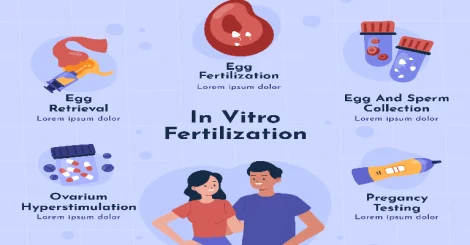
A more sophisticated procedure called IVF involves removing mature eggs from the ovaries and fertilizing them in a lab with sperm. The healthiest embryo is transferred to the uterus after it has developed.
When is IVF advised?
Fallopian tubes that are damaged or blocked
severe infertility in men
Endometriosis
Insufficient ovarian reserve
IUI cycles that failed
Women over 35
Genetic issues that call for screening (PGT)
Benefits of IVF
highest rate of success for fertility treatments
works for nearly every cause of infertility.
permits the genetic testing of embryos
The ability to freeze embryos or eggs
IVF’s drawbacks
More costly
requires minor surgeries and injections.
Taking longer
IVF vs. IUI Success Rate
Age, health, and underlying issues all affect success rates:
For women under 35, the IUI success rate is 10–20% per cycle.
For best outcomes, three to six cycles are often needed.
For women under 35, the IVF success rate is between 40 and 60 percent per round.
greater success when employing cutting-edge methods like PGT or ICSI.
Generally speaking, IVF has three to five times higher success rates than IUI.
Comparison of Costs
IUI Cost: Cheaper and more affordable.
IVF Cost: Increased because of better technology, lab work, and medicine.
However, if several IUI cycles are unsuccessful, the overall cost may be close to that of an IVF cycle, making IVF a more effective option for certain couples.
Which Therapy Is Best for You?
Think about IUI if:
You are under 35 years old.
You have open tubes.
The number of sperm is somewhat low.
You’re looking for an easy, affordable remedy.
You favor a more organic procedure.
Think about IVF if:
You are severely infertile.
Tubes are eliminated or blocked
The quality of sperm is really poor.
You’re older than 35.
Genetic testing is necessary.
IUI and other earlier therapies have not worked.
Concluding Remarks
Both IVF and IUI offer advantages and perfect candidates. Your age, medical history, fertility test results, and personal objectives will determine the best course of action. The most dependable method for determining which option can offer the best odds of a successful pregnancy is to speak with a fertility doctor.

